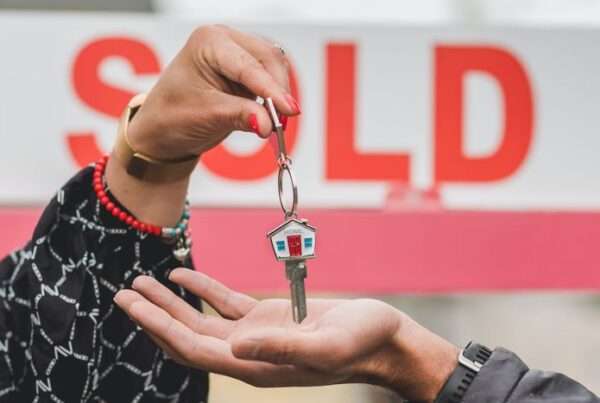
Thinking of selling?
Check out these tips to find out how much your house is really worth before you list.

Any experienced real estate professional will tell you the single most important factor to consider when selling a house is correct pricing. The real estate market in Frisco, Plano, McKinney, and Prosper is hot. And understanding the true value of your home is crucial to capitalizing on the hot market and getting the most value from the sale.
Key Factors in Determining Home Values
You’ve heard the old real estate adage- location, location, location. But that’s only the beginning. The value of your home depends on many things. Location, square footage and the number of bedrooms usually come to mind first. But here’s a list of many key factors that help to determine the value of a home.
Location – This includes macro-location factors such as city, neighborhood, proximity to schools, and community. The location factor also provides proximity to community amenities such as dining, shopping, recreational facilities, and healthcare facilities. Additionally, the location of the home within the neighborhood is also very important and impacts the overall value.
Square Footage- One of the most basic factors, square footage is an important determinant for pricing. But, square footage must be used in conjunction with the other variables. Many online home estimator resources use square footage as the primary influencer, but this can lead to faulty and uninformed pricing strategies. This can also lead to a frustrating experience for the seller.
Neighborhood- The age, condition, and demand for your neighborhood are other important factors in pricing. Often, some neighborhoods are in higher demand, and the same house in a different neighborhood can reflect a very different sales price. Neighborhood amenities such as community pools, street lighting, parks, walking trails, and security features are all important considerations when listing a home.
Bedrooms & Bathrooms- Along with square footage, the number of bedrooms and bathrooms is a basic starting point for deriving the value of your home. And like square footage, it must be considered as only part of the formula. Other factors in this category include the size of each bedroom, the location of bedrooms, as well as closet and storage space.
Home Condition & Upgrades- Home ownership can mean a lot of work and time to keep everything in tip-top shape. It goes without saying that a well-maintained home will have a higher value than a home that needs a lot of repairs or is unkempt. Additionally, upgrades in a home, such as floors, appliances, custom cabinetry, and hardware, can have a significant impact on the overall value.
Home Style & Amenities- The style of a home can also play a role in the listing strategy. This is especially true in specific neighborhoods in Frisco, Plano, McKinney, and Prosper. Home amenities such as pools, outdoor kitchen features, media rooms, multiple or split garages, and oversized lots can also add value.
Competition- Looking at similar homes in your neighborhood is one of the first steps your realtor takes when helping you determine what price to list your home. Home buyers usually have numerous choices before deciding to make an offer. By viewing other ‘comps’ or comparison properties, your realtor is sizing up the competition so they can provide experienced and knowledgeable advice on a pricing strategy that will optimize your home’s appeal.
Be Wary of Online Estimator Tools
 Many soon-to-be sellers are curious about their home’s value and search for a quick estimate from online home value estimator resources such as Zillow, Redfin, Trulia, or even those available from banks. While this may satisfy the urge for a quick peek, utilizing these online estimators can lead to many frustrations and disappointments.
Why are these tools bad?
First off, most of these tools only utilize a small subset of the many factors that go into calculating the true value of your home. And, since Texas is a non-disclosure state, they don’t have access to accurate sales prices from the Multiple Listing Service that professional realtors have.
Referring to the factors listed above, many online tools are restricted to using publicly available information, such as location, square footage, the number of bedrooms and bathrooms.
Online estimator tools cannot visually inspect the property, resulting in crucial information, such as home condition, upgrades, and neighborhood value, being missing from the estimates. This missing data results in home value estimates that are inaccurate.
Additionally, it is far too common for the data pulled by these online tools to be outdated, inaccurate, or even just downright false. Many prospective home buyers have searched for homes that fit their criteria and price, only to discover that the home has sold weeks or months prior. For sellers, utilizing these inaccurate estimates in your pricing strategy can lead to a longer sales cycle, price changes, and a very frustrating selling experience overall.
The next question you might ask is why these tools are still around if they are so bad, right?
While it may appear that these online tools are providing a service to home buyers and sellers, their true purpose is to provide leads to real estate agents, banks, mortgage companies and other vendors in the home real estate market. Most online tools require personal information to provide a home estimate. Your personal information is then provided to vendors who pay for this service.
While we are certainly not against revenue-generating activities, it is worth noting that you will start receiving many phone and email solicitations from these vendors once you provide your personal information in exchange for your home value estimate.
True Home Values: Part Science, Part Art

Now that you understand the importance of pricing when selling your home, you can see what factors contribute to an accurate valuation and why online home value tools may not always provide the best estimate. What’s next?
Deriving an accurate value for your home involves many steps and is part science, mixed with the art of a well-experienced and knowledgeable real estate agent. Although each agent is different and may have other methods, those with experience can provide a great deal of benefit when selling your home.
Secrets of a Winning Pricing Process
Many sellers are hesitant to involve a realtor from the start. This could be because they are not sure they want to sell yet, may not have a trusted realtor connection, or have other reasons. Don’t be shy—reach out! Most experienced realtors don’t mind helping you determine the value of your home, and this doesn’t obligate you in any way. Information that informs your decision sets you on a path for a much better selling experience than guestimates or assumptions.
- The first step in the process is for the realtor to meet with you to view and inspect your home. The agent will make detailed notes about the home condition, options, upgrades, and features. These detailed notes help the agent find houses that are comparable to yours for a more accurate Comparative Market Analysis on the property. Additionally, an agent that specializes in your neighborhood knows what features are in demand and will use this information in your pricing strategy.
- Next, the agent will verify the specifications and details of your property against several databases, including the tax roll. Experienced agents know how to look for discrepancies for things such as incorrect square footage listed on tax rolls, which can lead to inaccurate values.
- Next comes the magic combination of art and science. Your agent will analyze your property against other comps from the neighborhood, area, and city to find properties that most closely match your property. While many online estimators match on size and neighborhood, your agent will take a deep dive into the many other factors that contribute to the overall value. This is where those detailed notes we mentioned earlier really come in handy.
- The last step of estimating your list price is to study the competition. Real estate agents study other properties with an active listing, properties that recently sold, as well as pending or delisted properties. Looking in-depth at the number of days on the market, list price versus sales price, amenities, and other key factors for these homes will help the agent get a solid framework for estimating your home value.
List Price is the Beginning to Getting Top Dollar
Once your agent has provided you with an accurate estimate for your home and a suggested list price, the fun is only beginning. Your experienced real estate agent can also help you shorten your selling cycle and get the best offers for your home.
Great realtors have exceptional marketing skills and will do the legwork for getting your home listed at the right price, provide photography to help showcase your home, and actively market your home to qualified buyers. Additionally, great realtors are skilled at negotiating, so you can feel confident you have a trusted partner on your side, helping you get the most value for your property.
About Judi Wright – Trusted Real Estate Expert
With over 50 years of experience in the Dallas-Fort Worth area and 23 years as a Real Estate agent, Judi is one of North Texas’ most trusted and accomplished real estate professionals. As an award-winning Top Realtor, she has built a reputation for excellence, integrity, and personalized service throughout Collin, Dallas and Denton counties (and beyond). Judi treats every client like family and works hard to deliver an experience worth recommending. References and testimonials are available upon request and Judi would be honored to earn your business.